When the Ache Surfaces
It creeps in during the quiet—kids asleep, phone on silent, the streaming service asking if you’re still watching.
You sit with a mug in hand, scrolling past news and memes, when an ache rises. Not depression. Not boredom. Just the sense that something precious is missing.
Life no longer feels wondrous.
You remember when it did. When faith first broke in, it wasn’t an idea—it was an unveiling.
Suddenly the world was alive. Scripture shimmered. Every breath mattered. Even ordinary moments—walking across campus, sitting in traffic, holding your child—carried weight you couldn’t explain.
And you thought, almost in disbelief: How can this be real?
But church hurt, unanswered prayers, and relentless schedules dulled that awe. You haven’t stopped believing. Not exactly. But you haven’t stood in wonder for a long time.
And you wonder: Can I find it again?
When Wonder Fades
By midlife, wonder usually slips for two reasons: disillusionment and distraction.
Disillusionment comes when you’ve seen too much—politics in the pulpit, Christians wounding each other, prayers unanswered, community fractured, theology weaponized. Cynicism starts to feel like wisdom.
Distraction comes when life won’t stop pulling. Kids need you. Parents age. Work never lets go. The calendar fills, and awe doesn’t vanish—it gets crowded out.
So life shrinks to the manageable. We trade mystery for mechanics, wonder for efficiency. Days blur into years.
But the irony is this: the things we call ordinary—trees outside the office window, the night sky above the driveway, the human brain puzzling over a crossword—aren’t ordinary at all. They’re extraordinary, if we notice them.
The monk Thomas Merton once stood on a street corner in downtown Louisville—Fourth and Walnut, crowds rushing past. Suddenly he saw them. In that moment he knew he loved every stranger, that they all shone with God’s glory. He later wrote, “It was like waking from a dream of separateness… There is no way of telling people that they are all walking around shining like the sun.” The noise still roared. But wonder broke through.
Merton’s vision echoes Jesus’ words: “Look at the birds of the air.” Or the psalmist: “Taste and see that the Lord is good.” The first thing pain or distraction steals is noticing. And noticing is the door back to wonder.
”The first thing pain or distraction steals is noticing. And noticing is the door back to wonder.
Awe: A Framework for Rediscovery
Awe isn’t just a fleeting feeling. It’s a human response that reshapes us when we encounter something larger than ourselves. The scientific study of awe and the theology of longing both point to the same reality: awe has a structure, and it changes us.
Here’s how:
1. Confrontation with Vastness
Awe begins when we meet something that dwarfs us—vast in scale, power, or significance. The Milky Way arcing overhead. A piece of music that halts your thoughts. The birth of your child.
Psychologists call it “perceived vastness.” The Psalms call it “the heavens declaring the glory of God.” Either way, it starts here: This is bigger than me.
2. Collapse of Old Categories
The tidy explanations stop working. Old categories bend or break. That’s why meeting God changes everything—you realize He doesn’t fit inside the boxes you built.
Scientists call it “cognitive accommodation.” The disciples felt it when Jesus stilled the storm.
Their only words: “Who is this man?”
Awe unsettles because it shows us our reality is too small.
3. Integration into a Larger Story
Awe cracks your framework so a truer one can form.
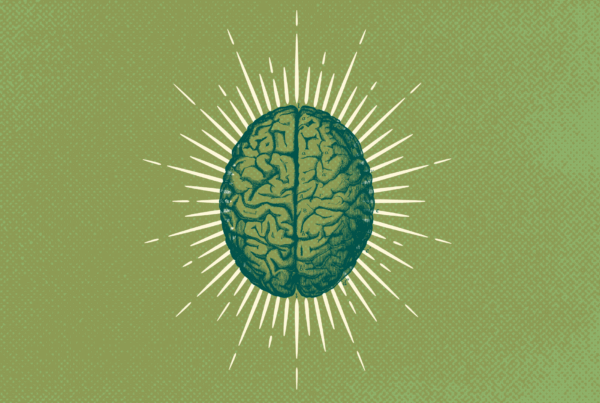
Research shows awe reshapes the brain. Scripture says the fear of the Lord is the beginning of wisdom. Both point here: awe forces us into a bigger reality.
The cosmos says we are small. The gospel says we are loved. Awe lives where those collide.
Integration isn’t about answers—it’s about orientation: where I fit, what matters, who holds it all.
Awe matures when the jolt becomes a homecoming.
Why This Matters for Your Life
When faith feels flat, it’s not because the creeds changed. It’s because their weight slipped. You say the words, but they don’t move you.
That’s what awe restores. It presses truth back into your bones.
- Awe restores proportion: God is not an idea but our Father, the Creator; we are His children.
- Awe restores hunger: life isn’t errands and outcomes; it’s a gift.
- Awe restores hope: if the world is this vast and this alive, despair doesn’t get the last word.
Faith grows stale on autopilot. Awe snaps you awake. It reminds you that God is bigger, nearer, and better than you remembered.
How to Begin Again
Don’t wait for lightning bolts. Put yourself in the path of awe:
- Stand under the night sky and whisper, “He holds all things together.”
- Learn something new about the universe—a nebula, a DNA strand, a fossil pressed in stone for a hundred million years—and let its strangeness unsettle you.
- Watch for lives marked by awe: people who’ve known pain and still radiate joy. Let their approach defy your categories.
Awe won’t erase your wounds. But it will stretch you beyond them. It will remind you that you are part of something vast, ordered, and personal—that even the ache points home.
And when awe breaks in again, even in a flicker, you’ll see it clearly: this was never about getting back to who you were. It was about becoming someone new.
Someone who knows—behind the vastness, there is a Presence.
And it all begins with noticing.
Want to Go Deeper?
🎧 Listen: Wonderology — No Dark Sky
📖 Read: The Divine Conspiracy – Dallas Willard, Surprised by Joy – C.S. Lewis
🌐 Explore: BioLogos.org — The Most Glorious Thing I’ve Ever Seen
📬 Subscribe: Wonderology + free mini-series Everything From Nothing